
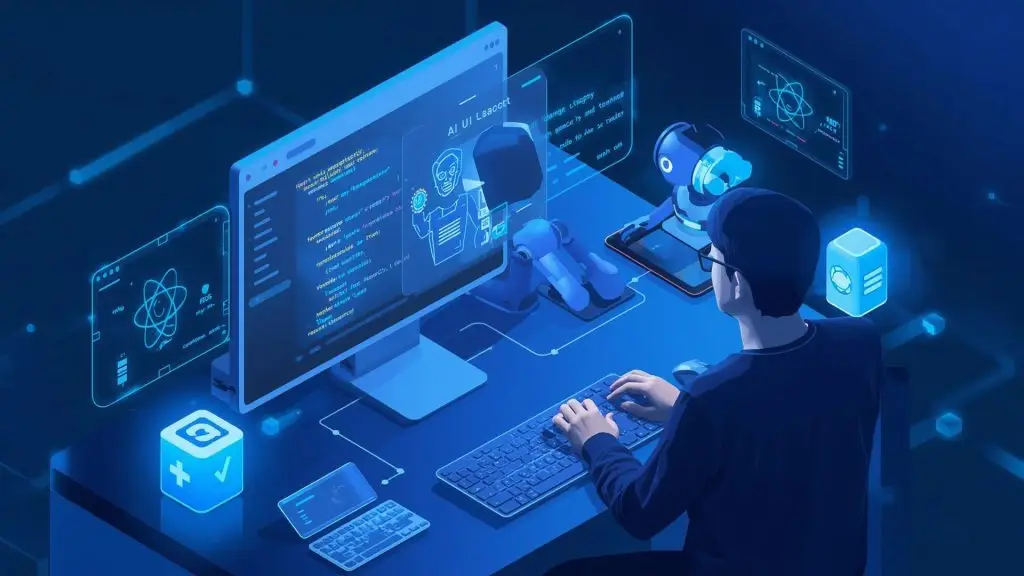
As artificial intelligence continues to disrupt industries, GPT-5 is poised to bring a massive transformation to the web development landscape. Building on the capabilities of GPT-4 and GPT-4o, the upcoming release of OpenAI’s GPT-5 is expected to redefine how developers design, code, and deploy modern websites and web applications.
Whether you’re a freelancer, an agency, or a SaaS startup, GPT-5 could become your most valuable coding partner — automating tasks, generating components, and even optimizing UX — all in real time.
What Is GPT-5?
GPT-5 (Generative Pre-trained Transformer 5) is the anticipated next-generation AI model from OpenAI. It’s expected to deliver even more powerful language understanding, multi-modal intelligence, and agentic capabilities.
In the context of web development, GPT-5 aims to become not just a code generator, but a web developer’s assistant that can plan, design, and build digital experiences autonomously.
How GPT-5 Will Transform Web Development
With GPT-5, the traditional workflow of web developers will evolve dramatically. Here’s how:
1. AI-Generated Code with Context
GPT-5 will offer improved understanding of full project context, allowing it to:
- Generate HTML, CSS, and JavaScript components
- Build complete React or Vue apps
- Create responsive layouts with Tailwind, Bootstrap, or Material UI
- Suggest SEO best practices for better site performance
2. Design-to-Code Automation
Imagine feeding your Figma or XD wireframes directly into GPT-5 — and getting back a working front-end with accurate responsiveness, accessibility, and performance optimization.
3. Smart Debugging and Optimization
GPT-5 will:
- Identify bugs in real-time
- Recommend improvements in performance and page speed
- Suggest accessibility fixes (WCAG compliance)
4. Content and UI Personalization
It can dynamically create and test UI/UX variations based on:
- User personas
- Behavioral data
- A/B test results
This enables web developers to build more intelligent and personalized websites — faster than ever.
Use Cases for GPT-5 in Web Development
| Use Case | Description |
|---|---|
| Landing Page Generation | Instantly generate responsive landing pages with SEO-optimized content |
| CMS Integration | Build custom WordPress or headless CMS themes with ease |
| Full Stack Automation | From front-end to backend code generation (Node.js, Laravel, etc.) |
| API Integration | Generate API calls and manage endpoints without manual coding |
| Accessibility Testing | Audit and fix ADA/WCAG compliance issues in your UI |
GPT-5 vs GPT-4 in Web Development
| Feature | GPT-4 | GPT-5 (Expected) |
|---|---|---|
| Web Dev Context Handling | Medium | High (persistent memory) |
| UI/UX Generation | Limited | Smart component layout creation |
| Debugging Ability | Good | Smarter, real-time optimization |
| Multimodal Inputs | Text/Image | Text, image, UI components, voice |
| Tool Usage | Passive | Active integration with IDEs & frameworks |
What to Expect from GPT-5 in 2025
While OpenAI hasn’t confirmed an exact release date, GPT-5 is rumored to arrive by late 2025 or early 2026. It is likely to integrate seamlessly with modern web development environments, including:
- VS Code Extensions
- Browser DevTools
- Low-code/no-code builders
- Web-based design platforms like Webflow or Figma
The line between developer and AI will blur, enabling smaller teams to build enterprise-level websites with minimal resources.
Security and Developer Control
As AI takes on more control over web applications, security and trust become paramount. GPT-5 is expected to include:
- Safer outputs and content filtering
- Custom model training for secure environments
- Permission-based tool access within IDEs and workflows
This ensures that developers still have the final say — while getting smart suggestions and automation along the way.
At Arcenex Technovative, we believe GPT-5 is not just another upgrade — it’s a revolutionary leap for the web development community. Developers who embrace AI-powered workflows today will be the ones leading tomorrow.
💡 Start preparing your stack for GPT-5. From smarter code to automated UX improvements — the future of web development will be driven by AI, and GPT-5 will be at the center of it.